

Air quality testing
Concerned about the air inside your property? Testing can help you investigate a specific concern rather than rely on how a room feels.
- ✓ Serving Los Angeles County, Agoura Hills, Alhambra and 86 more areas
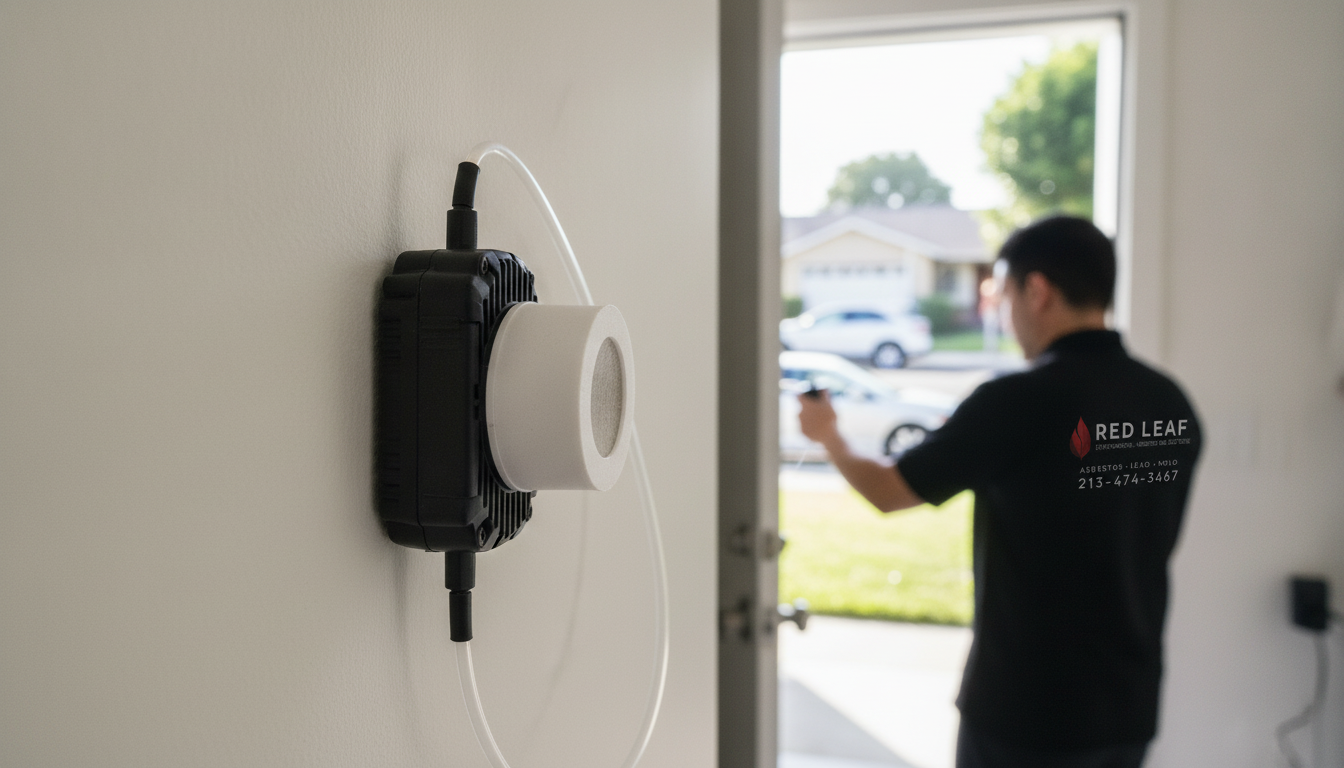
Start with the question you need answered
Air quality testing is most useful when there is a clear reason for investigating. You may have noticed a persistent odor, have questions about a particular room, or want to understand conditions before making a property decision. Those concerns provide a starting point for discussing testing; they do not, by themselves, identify a cause.
Before arranging service, describe what you have noticed, where it happens, and whether it changes over time. The goal is to connect the testing request to a practical question—not simply to request an unspecified check of everything in the air.
Different concerns call for different testing decisions
Air quality testing is not one universal test for every possible substance. In general, the concern being investigated helps determine what should be measured and how information should be collected. A test aimed at one question may not answer another.
That makes the initial conversation important. Ask what the proposed testing is intended to investigate, which spaces it covers, and what its limitations are. Understanding that scope before booking helps you judge whether the work addresses the concern that brought you here.
Explain where and when the concern occurs
A useful starting point is a description of the property and how the affected space is used. Note whether the concern is limited to one area or seems more widespread, and whether you notice it continuously or only at certain times.
You do not need to identify a substance yourself before asking about testing. Observations are more useful than guesses: describe an odor rather than assigning it a chemical name, for example. If your concern involves symptoms, seek medical advice separately; air testing is not a medical diagnosis.
Results need context, not just a number
Air measurements relate to the substances tested and the conditions during collection. They should not be treated as a permanent statement about every room, every possible substance, or every future condition at a property.
When discussing testing, ask how the findings will be presented and what explanation accompanies them. A useful conversation about results connects the findings to the original question while keeping the test’s scope and limitations in view. Testing and any subsequent corrective work are separate decisions.
Choose a provider you can discuss the scope with
Red Leaf Environmental - Asbestos And Lead Testing provides air quality testing and serves Los Angeles County. The business has a 5 rating from 20 reviews.
For your own decision, focus on whether the proposed work matches your concern. Ask questions before proceeding, explain what you need to understand, and request clarification about the scope. Knowing what you are commissioning matters more than assuming that every air quality test provides the same answers.
Questions before booking
Do I need to know what is in the air first?
No. Begin with what prompted your concern and where you noticed it. Ask which testing approach would address that question rather than choosing a test based on a guess.
Can one test check for everything?
No single test should be assumed to cover every possible air quality concern. Ask which substances or conditions the proposed work addresses and which questions fall outside its scope.
What should I ask about the cost and timing?
Request a quote for the proposed scope and ask about appointment availability and expected results timing. Clarify what is included before agreeing to the work.
Will testing tell me whether a space is safe?
Avoid treating a result as an unrestricted safety guarantee. Ask what conclusions the findings support for the specific concern investigated and what limitations apply.
Discuss your air quality concern
Contact Red Leaf Environmental - Asbestos And Lead Testing to discuss air quality testing for your property. Describe the space, explain what prompted your concern, and ask about the scope, pricing, and scheduling before booking.


Areas we serve
- ● Los Angeles County
- ● Agoura Hills
- ● Alhambra
- ● Arcadia
- ● Artesia
- ● Avalon
- ● Azusa
- ● Baldwin Park
- ● Bell
- ● Bell Gardens
- ● Bellflower
- ● Beverly Hills
- ● Bradbury
- ● Burbank
- ● Calabasas
- ● Carson
- ● Cerritos
- ● Claremont
- ● Commerce
- ● Compton
- ● Covina
- ● Cudahy
- ● Culver City
- ● Diamond Bar
- ● Downey
- ● Duarte
- ● El Monte
- ● El Segundo
- ● Gardena
- ● Glendale
- ● Glendora
- ● Hawaiian Gardens
- ● Hawthorne
- ● Hermosa Beach
- ● Hidden Hills
- ● Huntington Park
- ● Industry
- ● Inglewood
- ● Irwindale
- ● La Cañada Flintridge
- ● La Habra Heights
- ● La Mirada
- ● La Puente
- ● La Verne
- ● Lakewood
- ● Lancaster
- ● Lawndale
- ● Lomita
- ● Long Beach
- ● Los Angeles
- ● Lynwood
- ● Malibu
- ● Manhattan Beach
- ● Maywood
- ● Monrovia
- ● Montebello
- ● Monterey Park
- ● Norwalk
- ● Palmdale
- ● Palos Verdes Estates