

Radon Gas Testing
If you’re concerned about radon indoors, testing gives you information that sight, smell and everyday experience cannot provide.
- ✓ Serving Los Angeles County, Agoura Hills, Alhambra and 86 more areas
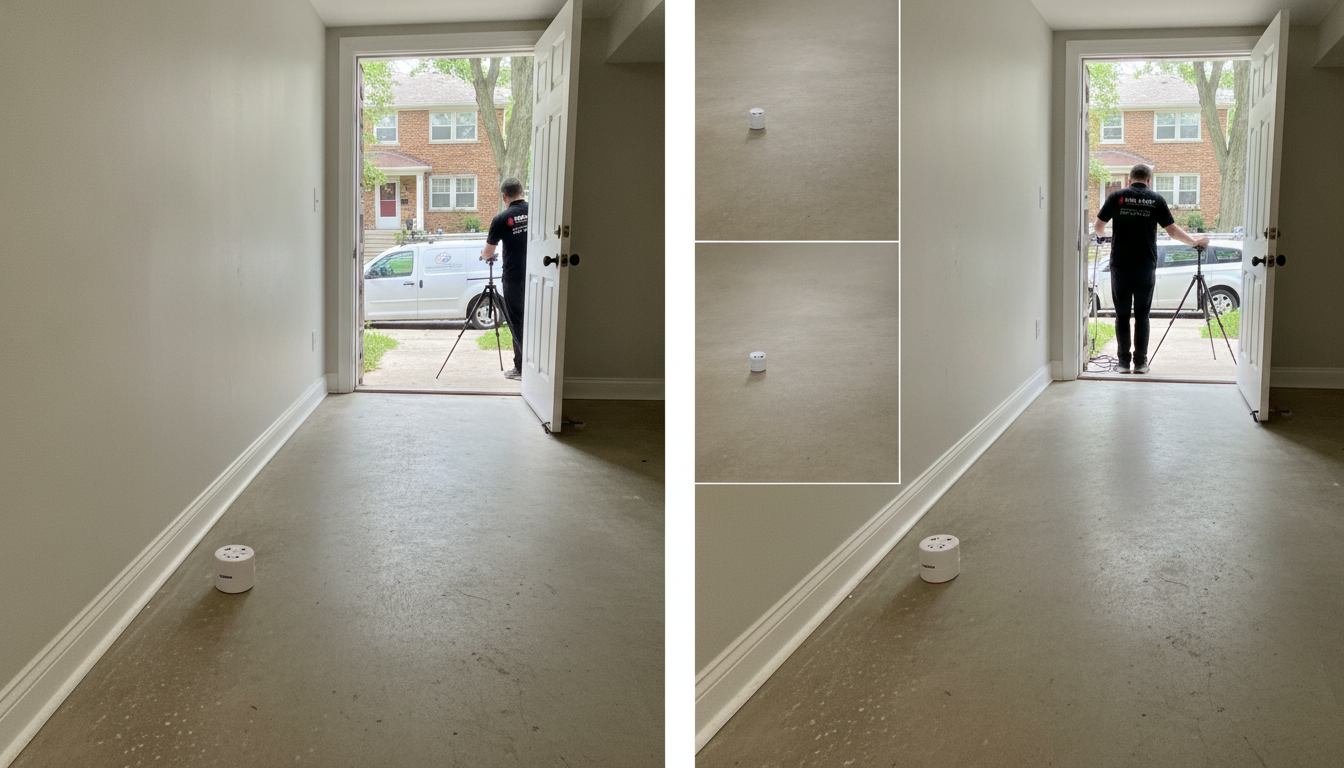
You cannot judge radon levels by how a room feels
Radon is a naturally occurring radioactive gas that can enter buildings from the ground. You cannot see or smell it, so a room that seems comfortable can still warrant testing. Long-term exposure to elevated radon levels increases the risk of lung cancer.
Testing measures radon rather than relying on assumptions about a building’s age, condition or appearance. A nearby property’s result is not a substitute for testing the space you are concerned about, because levels can differ between buildings.
The reason for testing helps shape the request
You may be considering radon testing because you spend time on a lower floor, are evaluating a property or want to investigate an indoor environmental concern. When making an inquiry, explain which space concerns you and whether a purchase, renovation or other decision has a deadline.
Those details help frame the conversation about the test. It is also useful to explain whether the building is occupied and whether previous radon results exist. An earlier result can provide context, but its relevance depends on when and how the measurement was taken and whether conditions have changed.
A useful measurement depends on placement and conditions
Radon testing generally involves placing a measurement device in a suitable indoor location for a defined period. The device’s position, the testing duration and conditions in the building all affect how the measurement should be understood. Following the instructions for the selected test is important.
Before testing begins, ask where the device will be placed, how long it must remain there and whether windows, doors or ventilation need to be managed in a particular way. Avoid moving or interfering with a testing device. If building conditions change during the measurement period, tell the testing provider rather than assuming the change does not matter.
A result describes the measurement period
Radon levels can fluctuate. Weather, ventilation and the way a building is used can influence indoor concentrations, so a result should be read alongside the test duration and conditions. A measurement is evidence about the tested location and period, not a promise that levels will always remain the same.
When reviewing a result, ask what the reading means, which guidance applies and whether another measurement is appropriate. An elevated result deserves follow-up, but testing and work to reduce radon are separate services. Clarify the next step before arranging additional work.
Choose a provider you can discuss the test with
Red Leaf Environmental - Asbestos And Lead Testing offers radon gas testing. The business has a recorded rating of 5 from 20 reviews. When deciding whether to book, discuss your testing objective and ask for the proposed scope, timing and cost.
A useful booking conversation should leave you clear about what is being measured and what you need to do before and during the test. Bring your questions about the property and any existing results so the conversation stays focused on your situation.
Questions before booking radon testing
How much will testing cost?
Ask for a quote for your specific testing request. Describe the property, the spaces of concern and any deadline, and confirm what the quoted scope includes.
How long does testing take?
The measurement period depends on the testing approach. Ask about both the time the device needs to remain in place and when you should expect the result.
Can I use the building during testing?
Ask for instructions for the selected test before it starts. Building use and ventilation can matter, so make sure everyone using the tested space understands those instructions.
Does a high result mean radon reduction is included?
No—do not assume testing includes corrective work. Ask how to interpret the result and what follow-up to consider before arranging a separate service.
Discuss your radon testing needs
Contact Red Leaf Environmental - Asbestos And Lead Testing to discuss your property, ask about the testing scope and request a quote for radon gas testing.


Areas we serve
- ● Los Angeles County
- ● Agoura Hills
- ● Alhambra
- ● Arcadia
- ● Artesia
- ● Avalon
- ● Azusa
- ● Baldwin Park
- ● Bell
- ● Bell Gardens
- ● Bellflower
- ● Beverly Hills
- ● Bradbury
- ● Burbank
- ● Calabasas
- ● Carson
- ● Cerritos
- ● Claremont
- ● Commerce
- ● Compton
- ● Covina
- ● Cudahy
- ● Culver City
- ● Diamond Bar
- ● Downey
- ● Duarte
- ● El Monte
- ● El Segundo
- ● Gardena
- ● Glendale
- ● Glendora
- ● Hawaiian Gardens
- ● Hawthorne
- ● Hermosa Beach
- ● Hidden Hills
- ● Huntington Park
- ● Industry
- ● Inglewood
- ● Irwindale
- ● La Cañada Flintridge
- ● La Habra Heights
- ● La Mirada
- ● La Puente
- ● La Verne
- ● Lakewood
- ● Lancaster
- ● Lawndale
- ● Lomita
- ● Long Beach
- ● Los Angeles
- ● Lynwood
- ● Malibu
- ● Manhattan Beach
- ● Maywood
- ● Monrovia
- ● Montebello
- ● Monterey Park
- ● Norwalk
- ● Palmdale
- ● Palos Verdes Estates