

Soil Testing and Analysis
When you have questions about soil on a property, testing can give you evidence to guide your next decision.
- ✓ Serving Los Angeles County, Agoura Hills, Alhambra and 86 more areas
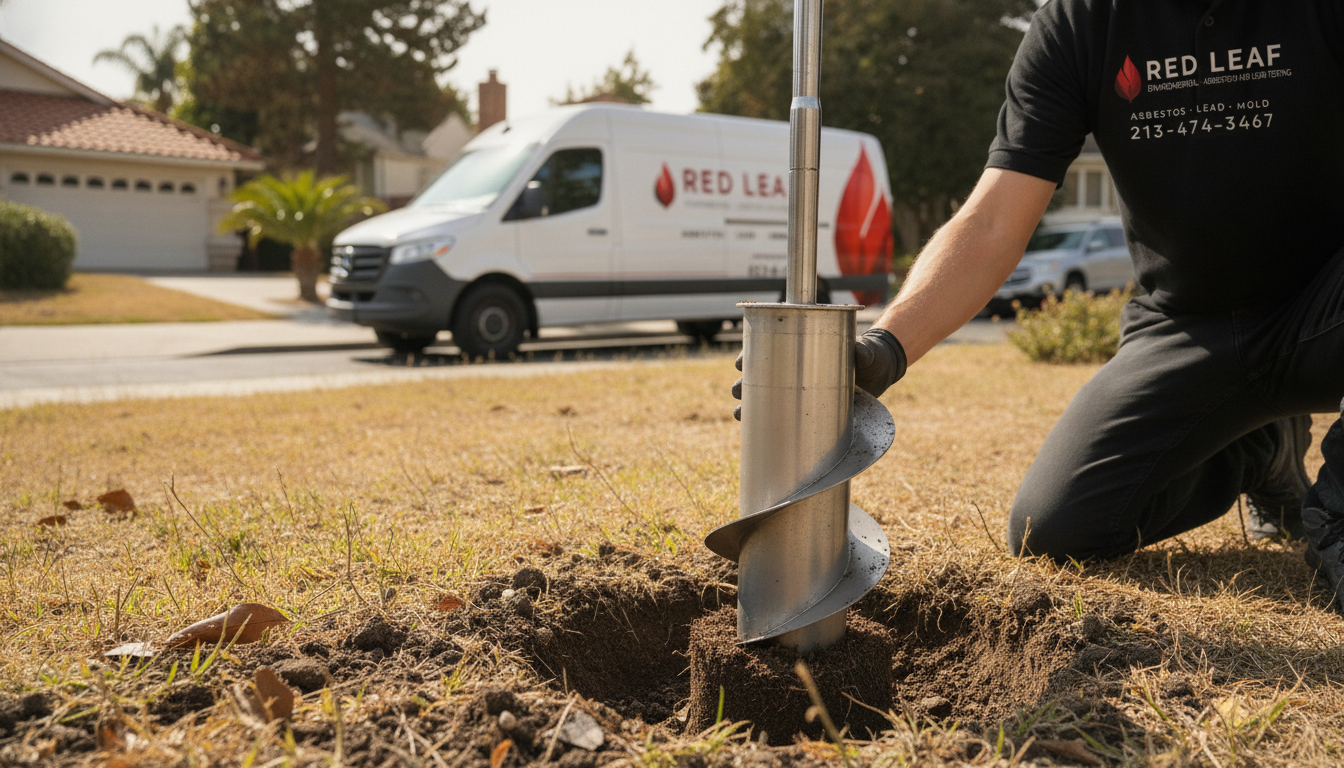
Start with the decision you need to make
A soil test is most useful when it answers a defined question. You may be considering a property purchase, preparing for construction, or investigating a concern about previous land use. The reason for testing helps determine what needs to be examined.
Before requesting testing, describe what prompted your concern and what you plan to do with the property. Existing records, the location of the area in question, and any previous test results can provide useful context. You do not need to diagnose the issue yourself; start with the question you need answered.
Soil analysis is not one test for everything
Different questions call for different analyses. Testing intended to investigate a suspected contaminant is not interchangeable with testing for gardening needs or evaluating soil for structural design. Defining the purpose first helps avoid ordering work that does not address your concern.
The substances selected for analysis matter, as does the area the samples represent. A result for one substance does not establish the absence of every other substance. Likewise, a sample from one part of a property should not automatically be treated as representative of the entire site.
Sampling choices shape what results can tell you
Soil conditions can vary across a property and at different depths. In soil investigations generally, sample locations and collection methods need to fit the question being investigated. A targeted concern and a broader property assessment may require different approaches.
Before work begins, ask how the proposed scope relates to your intended use of the results. Clarifying the area of concern, the purpose of testing, and any requirements from another party can help keep the work focused. If someone else will rely on the findings, raise that before testing rather than afterward.
Read findings in the context of your property
Soil analysis provides information about the samples examined and the substances included in the analysis. Interpreting that information means considering the testing scope, sampling locations, and reason for the investigation—not simply looking for a single reassuring number.
A finding may answer the original question or identify a need for further investigation. Testing should not be treated as a blanket approval for every possible property use. Ask what the findings support and whether any additional questions remain before making a purchase, construction, or other property decision.
Choose a provider that offers soil analysis
Red Leaf Environmental - Asbestos And Lead Testing provides soil testing and analysis. The business has a 5 rating from 20 reviews.
When discussing your project, explain the decision you are facing rather than requesting a generic soil test. That gives the conversation a clear starting point: your concern, the property context, and the analysis you want to discuss.
Questions to ask before arranging soil testing
Should I test before buying a property?
If you have a soil-related concern, raise it before committing to a purchase. Explain what prompted the concern and ask about testing relevant to that question.
Will one soil test check for everything?
No. The scope of analysis determines what is examined. Discuss your concerns before arranging testing so you understand the question the proposed work is intended to address.
Can results from one location describe the whole property?
Not automatically. Soil can vary by location and depth. The sampling approach matters when deciding how broadly findings can be interpreted.
How do I get pricing and arrange testing?
Contact the business to discuss your property, your reason for testing, and the proposed scope. Request pricing and scheduling details for that work.
Discuss your soil testing needs
Contact Red Leaf Environmental - Asbestos And Lead Testing to discuss soil testing and analysis for your property. Share what prompted your concern and the decision you need to make, and ask about scope, pricing, and scheduling.


Areas we serve
- ● Los Angeles County
- ● Agoura Hills
- ● Alhambra
- ● Arcadia
- ● Artesia
- ● Avalon
- ● Azusa
- ● Baldwin Park
- ● Bell
- ● Bell Gardens
- ● Bellflower
- ● Beverly Hills
- ● Bradbury
- ● Burbank
- ● Calabasas
- ● Carson
- ● Cerritos
- ● Claremont
- ● Commerce
- ● Compton
- ● Covina
- ● Cudahy
- ● Culver City
- ● Diamond Bar
- ● Downey
- ● Duarte
- ● El Monte
- ● El Segundo
- ● Gardena
- ● Glendale
- ● Glendora
- ● Hawaiian Gardens
- ● Hawthorne
- ● Hermosa Beach
- ● Hidden Hills
- ● Huntington Park
- ● Industry
- ● Inglewood
- ● Irwindale
- ● La Cañada Flintridge
- ● La Habra Heights
- ● La Mirada
- ● La Puente
- ● La Verne
- ● Lakewood
- ● Lancaster
- ● Lawndale
- ● Lomita
- ● Long Beach
- ● Los Angeles
- ● Lynwood
- ● Malibu
- ● Manhattan Beach
- ● Maywood
- ● Monrovia
- ● Montebello
- ● Monterey Park
- ● Norwalk
- ● Palmdale
- ● Palos Verdes Estates