

Mold Inspection & Testing
If you’re seeing suspicious growth or noticing a persistent musty smell, mold inspection and testing can help you investigate your concerns.
- ✓ Serving Los Angeles County, Agoura Hills, Alhambra and 86 more areas

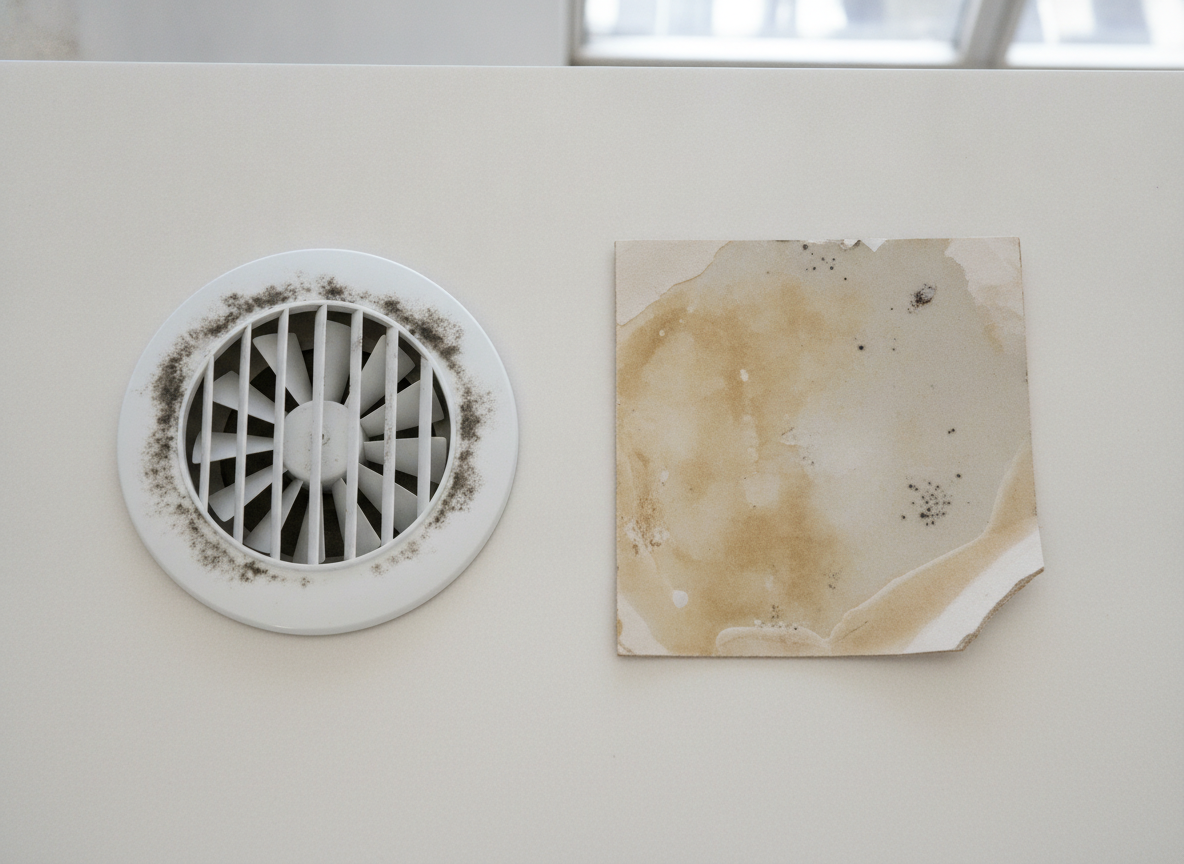
Visible growth and musty odors raise different questions
A discolored patch, recurring dampness, or an unexplained odor can leave you unsure what to do next. Appearance alone does not settle every question, and a smell does not identify its source. The starting point is understanding what you have noticed, where it occurs, and whether moisture has been involved.
Mold inspection and testing can be relevant when you occupy, own, manage, or are considering a property. You do not need to identify the material yourself before asking about an assessment. Describe the concern in your own words, including whether it has changed or returned after cleaning.
Inspection and testing answer different questions
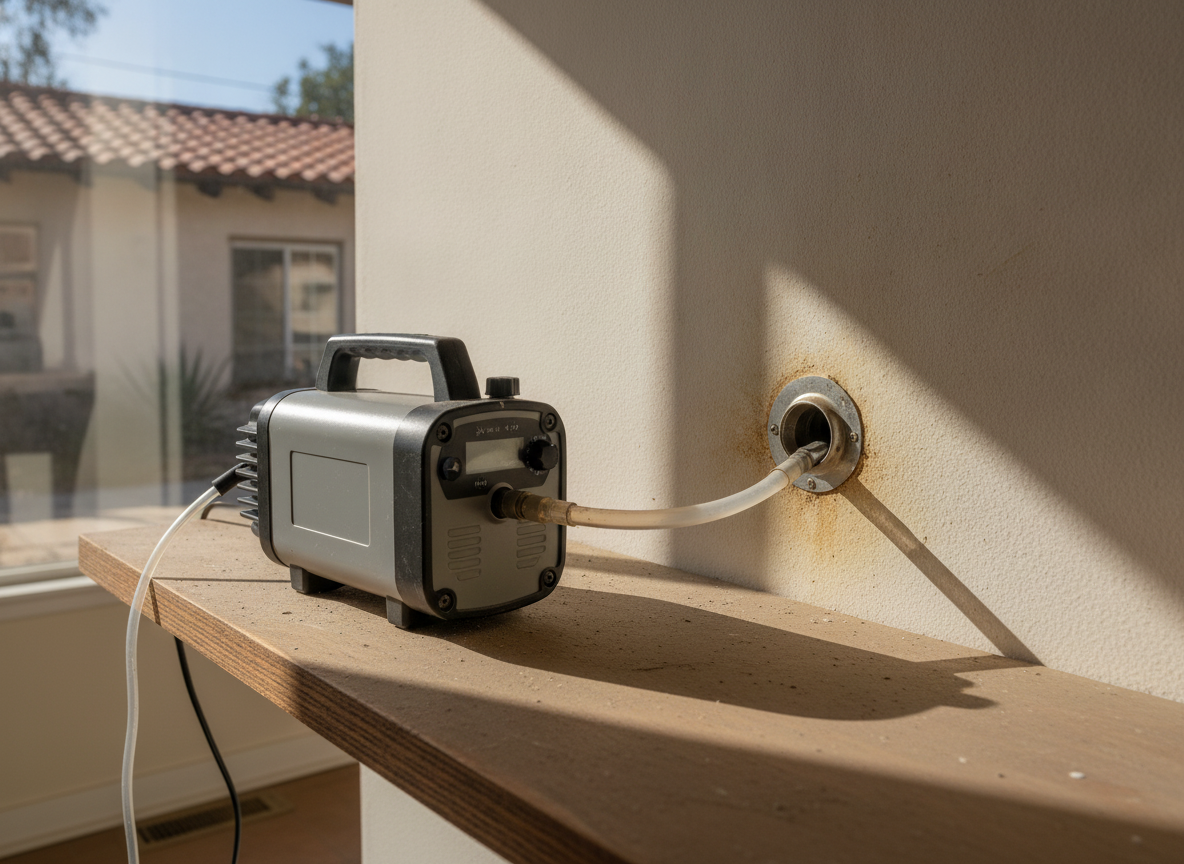
An inspection generally focuses on conditions: signs of suspected growth, evidence of moisture, and the areas connected to your concern. Testing focuses on samples. These are related parts of mold assessment, but they are not interchangeable.
A useful assessment starts with a question rather than an assumption that every property needs the same approach. Investigating a visible patch is different from investigating an odor with no obvious source. The concern, accessible areas, and property conditions help shape an appropriate scope.
Sampling needs a purpose, not just a number
Mold testing is most useful when there is a clear reason for collecting a sample. A result relates to the material or conditions sampled; it is not a complete picture of every room, surface, or concealed space in a building.
When discussing testing, ask what question each proposed sample is intended to answer and how the findings will be interpreted alongside the inspection. This helps keep the work focused on your concern rather than treating a test result as a stand-alone verdict about the entire property.
Moisture history helps put findings in context
Before arranging an assessment, gather what you know about the affected area. Past leaks, recurring condensation, changes in appearance, and previous cleaning can all provide useful context. Photos and a simple timeline may help you explain an intermittent problem.
You do not need a technical diagnosis. The goal is to communicate what happened and what remains unresolved. Avoid assuming that a clean-looking surface explains an ongoing odor, or that a single suspicious mark establishes the extent of a problem.
Choose a business that offers both inspection and testing
Red Leaf Environmental - Asbestos And Lead Testing offers Mold Inspection & Testing. The business has a 5-star rating from 20 reviews.
When you contact us, explain the issue you want investigated and ask about the scope of the assessment. Understanding what the proposed work covers gives you a clearer basis for deciding how to proceed.
Questions before booking mold inspection and testing
Do I need testing if I can already see suspected mold?
Not every concern calls for the same testing approach. Ask what testing would add to the inspection and which question it would help answer.
Can testing rule out mold everywhere in a property?
No single sample represents every location or condition. Findings need to be understood in relation to the areas assessed and the samples collected.
What should I prepare before contacting you?
Be ready to describe the location, visible changes, odors, and any known moisture history. Mention whether the concern is persistent, intermittent, or recurring.
How much will the assessment cost?
Contact us to discuss pricing for your situation. Ask what the proposed price includes, including the inspection scope and any testing being considered.
Discuss your mold concern
Contact Red Leaf Environmental - Asbestos And Lead Testing at 213-474-3467 to discuss Mold Inspection & Testing and ask about arranging an assessment.
Areas we serve
- ● Los Angeles County
- ● Agoura Hills
- ● Alhambra
- ● Arcadia
- ● Artesia
- ● Avalon
- ● Azusa
- ● Baldwin Park
- ● Bell
- ● Bell Gardens
- ● Bellflower
- ● Beverly Hills
- ● Bradbury
- ● Burbank
- ● Calabasas
- ● Carson
- ● Cerritos
- ● Claremont
- ● Commerce
- ● Compton
- ● Covina
- ● Cudahy
- ● Culver City
- ● Diamond Bar
- ● Downey
- ● Duarte
- ● El Monte
- ● El Segundo
- ● Gardena
- ● Glendale
- ● Glendora
- ● Hawaiian Gardens
- ● Hawthorne
- ● Hermosa Beach
- ● Hidden Hills
- ● Huntington Park
- ● Industry
- ● Inglewood
- ● Irwindale
- ● La Cañada Flintridge
- ● La Habra Heights
- ● La Mirada
- ● La Puente
- ● La Verne
- ● Lakewood
- ● Lancaster
- ● Lawndale
- ● Lomita
- ● Long Beach
- ● Los Angeles
- ● Lynwood
- ● Malibu
- ● Manhattan Beach
- ● Maywood
- ● Monrovia
- ● Montebello
- ● Monterey Park
- ● Norwalk
- ● Palmdale
- ● Palos Verdes Estates