

Lead Testing and Analysis
When lead is a concern, testing can replace assumptions with evidence about the material or sample being assessed.
- ✓ Serving Los Angeles County, Agoura Hills, Alhambra and 86 more areas
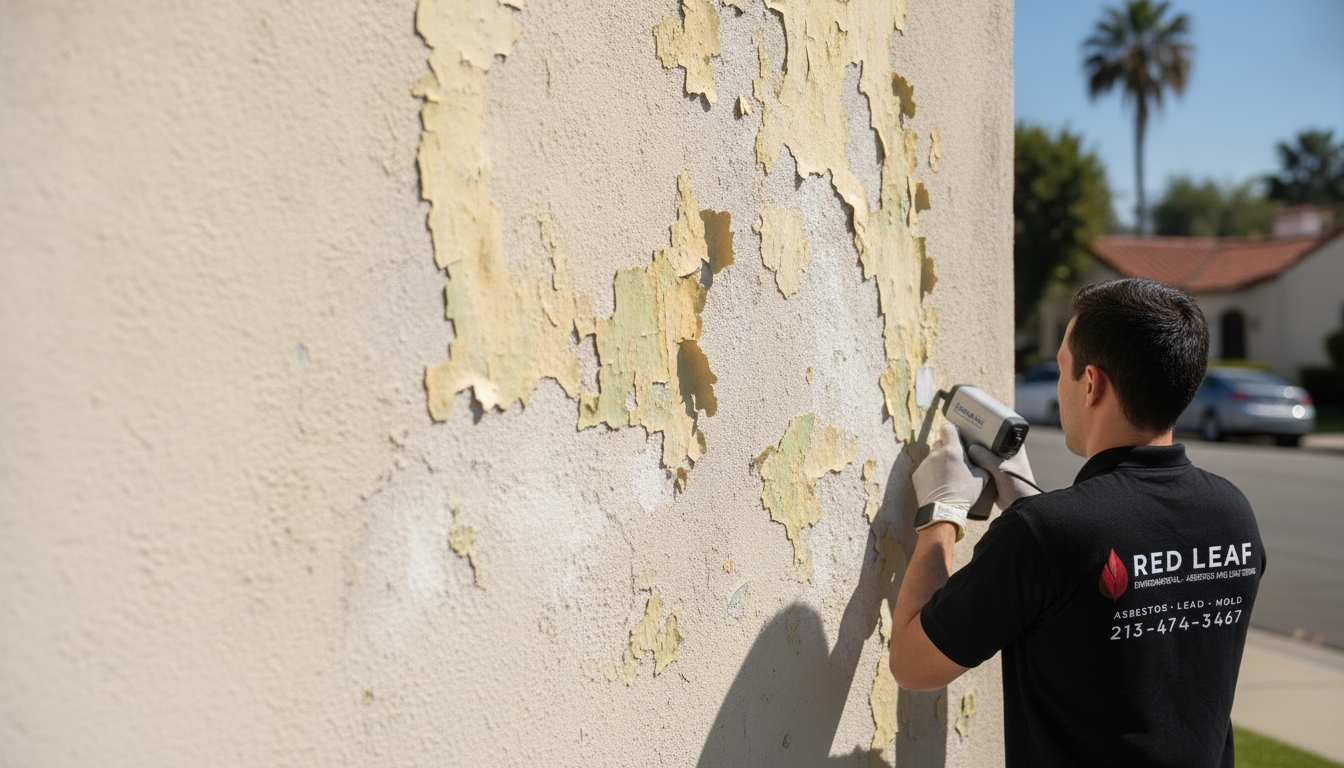
Start with the question you need answered
Are you trying to determine whether a material contains lead, understand a potential exposure concern, or plan work that could disturb existing materials? Those questions are related, but they do not necessarily call for the same assessment.
Lead testing and analysis starts with defining what needs to be evaluated. The material, its location, and your reason for testing help shape the scope. Before requesting testing, explain what prompted your concern and what decision you need to make afterward. That context matters more than simply asking for a “lead test.”
Testing and risk assessment answer different questions
Testing looks for lead in the material or sample being evaluated. A risk assessment considers a broader question: whether identified conditions may present an exposure concern. Finding lead and understanding its significance are connected, but they are not interchangeable conclusions.
This distinction matters when you are deciding what to do next. A result should be understood in relation to what was tested, where it came from, and the purpose of the assessment. One finding should not be treated as a conclusion about every material or location at a property.
Field measurements and laboratory analysis have different roles
Red Leaf Environmental - Asbestos And Lead Testing provides lead testing and analysis, with related capabilities including EPA-Compliant Lead Risk Management, Real-Time XRF Field Analysis, and High-Precision ICP-MS Lab Testing.
Field measurements and laboratory analysis are different approaches to gathering evidence. The appropriate approach depends on the material being evaluated and the question the testing needs to answer. Having a testing method in mind can be useful, but defining the objective comes first. Ask which approach fits your situation rather than assuming every lead concern requires the same procedure.
Bring context, not just a request for a test
You do not need to diagnose the issue before making contact. You can, however, make the initial discussion more useful by explaining what you know: the material or area of concern, any planned work, and whether there are previous findings to consider.
If you are responsible for a property or planning a project, describe the decision that depends on the result. Testing intended to inform planned work may have a different scope from testing focused on a particular material. Clarifying that purpose helps you ask for an assessment that addresses your actual concern.
Read a result within its scope
A useful way to approach any testing result is to ask what it establishes—and how far that conclusion extends. Pay attention to the material or sample identified, the method used, and any limitations stated with the findings.
A measurement alone is not a complete plan for managing lead. Before making decisions, ask how the findings relate to your original concern and whether further assessment is appropriate. Keep the distinction between identifying lead and deciding how to manage it clear.
Questions before arranging lead testing
Can I request testing for a specific concern?
Yes. Contact the business about lead testing and analysis, and describe the material, location, or planned work behind your request. Ask what scope would address that concern.
Does every lead concern need the same testing method?
No. Different materials and assessment objectives can call for different approaches. Discuss the purpose of testing before choosing a method.
What will testing cost, and how long will it take?
Ask for pricing and timing for your proposed scope before arranging the work. Explain any project deadline during the initial conversation.
Discuss your lead testing needs
Contact Red Leaf Environmental - Asbestos And Lead Testing to discuss your concern, ask about an appropriate testing scope, and request pricing and scheduling information. Call 213-474-3467 or use the contact form to get started.


Areas we serve
- ● Los Angeles County
- ● Agoura Hills
- ● Alhambra
- ● Arcadia
- ● Artesia
- ● Avalon
- ● Azusa
- ● Baldwin Park
- ● Bell
- ● Bell Gardens
- ● Bellflower
- ● Beverly Hills
- ● Bradbury
- ● Burbank
- ● Calabasas
- ● Carson
- ● Cerritos
- ● Claremont
- ● Commerce
- ● Compton
- ● Covina
- ● Cudahy
- ● Culver City
- ● Diamond Bar
- ● Downey
- ● Duarte
- ● El Monte
- ● El Segundo
- ● Gardena
- ● Glendale
- ● Glendora
- ● Hawaiian Gardens
- ● Hawthorne
- ● Hermosa Beach
- ● Hidden Hills
- ● Huntington Park
- ● Industry
- ● Inglewood
- ● Irwindale
- ● La Cañada Flintridge
- ● La Habra Heights
- ● La Mirada
- ● La Puente
- ● La Verne
- ● Lakewood
- ● Lancaster
- ● Lawndale
- ● Lomita
- ● Long Beach
- ● Los Angeles
- ● Lynwood
- ● Malibu
- ● Manhattan Beach
- ● Maywood
- ● Monrovia
- ● Montebello
- ● Monterey Park
- ● Norwalk
- ● Palmdale
- ● Palos Verdes Estates