
Asbestos Testing & Surveys
Before disturbing a material you suspect may contain asbestos, get testing rather than relying on its appearance.
- ✓ Serving Los Angeles County, Agoura Hills, Alhambra and 86 more areas

Appearance alone cannot answer the asbestos question
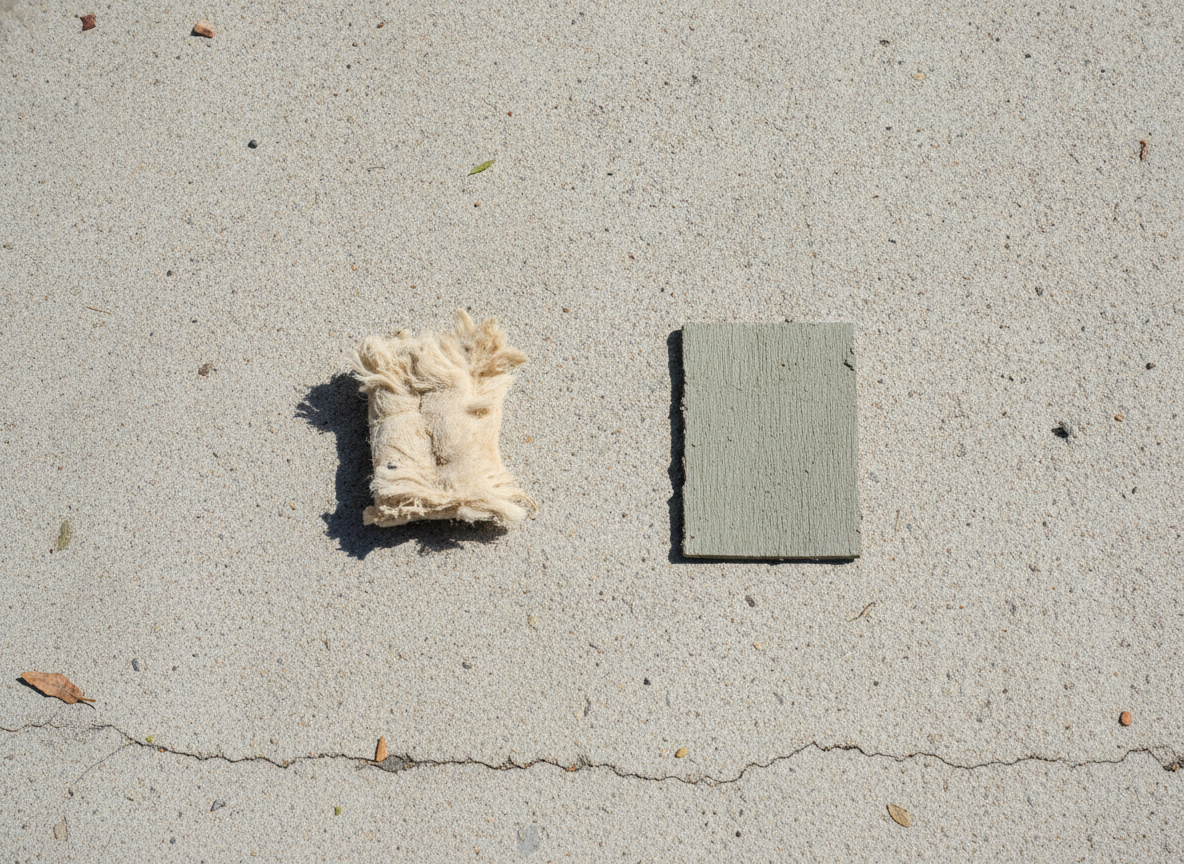
A material’s color, texture or condition does not reliably establish whether it contains asbestos. Testing addresses that uncertainty through analysis; a survey considers suspect materials within a defined area or project scope.
The distinction matters when deciding what to request. You may have a question about one material, or you may need a broader assessment before planned work. Start with the decision you need to make, rather than assuming every asbestos inquiry calls for the same approach.
The right scope starts with your planned work
Asbestos testing and surveys can be relevant to property owners, buyers, managers and people planning renovation or demolition. The central question is whether suspect materials could be disturbed, and which areas need assessment before decisions move forward.
A question about a single material is different from an assessment covering multiple rooms or building areas. Describe the work you are considering, the materials that concern you and the spaces involved. Those details provide a starting point for discussing an appropriate scope without treating a limited test as a whole-property assessment.
Testing and surveys answer related, different questions
Testing focuses on whether an analyzed sample contains asbestos. A survey addresses suspect materials across its agreed scope. Sampling and laboratory analysis may form part of that assessment, depending on its purpose and requirements.
A result should be read in context: which material was assessed, where it came from and what areas the work covered. A finding for one sample should not be treated as an answer about every similar-looking material elsewhere in a property. Scope is as important as the result itself.
Do not disturb suspect material to investigate it
If asbestos is a concern, avoid cutting, drilling, sanding or otherwise disturbing the material simply to find out more. Disturbance can release fibers from asbestos-containing materials. Discuss the assessment before attempting to collect a sample yourself.
For the initial conversation, explain what prompted your concern and whether work is already planned. Existing records or previous test results, if you have them, can also provide useful context. You do not need to settle the asbestos question yourself before asking about testing.
AHERA-certified inspections are part of the offering
Red Leaf Environmental - Asbestos And Lead Testing offers asbestos testing and surveys, including AHERA-Certified Asbestos Inspections. That gives you a specific inspection offering to discuss when explaining your property and project requirements.
The business has a 5-star rating from 20 reviews. When choosing an asbestos assessment, consider both that customer feedback and the fit between the proposed scope and the question you need answered. Ask about coverage, deliverables and timing before arranging the work.
Questions to ask before arranging an assessment
Do I need testing or a survey?
That depends on whether you need an answer about a particular material or an assessment of suspect materials across a broader area. Explain your concern and planned work so you can discuss the appropriate scope.
Can testing tell me whether the whole property is asbestos-free?
A result applies to the material analyzed. Broader conclusions depend on the survey’s coverage and limitations; one negative sample does not establish that an entire property is asbestos-free.
What should I ask about price and timing?
Ask what the proposed assessment covers, what you will receive and when results are expected. Confirm the cost for that scope before booking rather than assuming all testing requests are equivalent.
Does an asbestos finding mean removal is required?
Not automatically. Decisions depend on factors such as the material’s condition, potential disturbance and applicable requirements. Testing establishes information for that decision; it is not the same service as removal.
Discuss your asbestos testing needs
Contact Red Leaf Environmental - Asbestos And Lead Testing to discuss your suspect materials, planned work and assessment scope. Call 213-474-3467 or use the contact form to ask about asbestos testing and surveys.
Areas we serve
- ● Los Angeles County
- ● Agoura Hills
- ● Alhambra
- ● Arcadia
- ● Artesia
- ● Avalon
- ● Azusa
- ● Baldwin Park
- ● Bell
- ● Bell Gardens
- ● Bellflower
- ● Beverly Hills
- ● Bradbury
- ● Burbank
- ● Calabasas
- ● Carson
- ● Cerritos
- ● Claremont
- ● Commerce
- ● Compton
- ● Covina
- ● Cudahy
- ● Culver City
- ● Diamond Bar
- ● Downey
- ● Duarte
- ● El Monte
- ● El Segundo
- ● Gardena
- ● Glendale
- ● Glendora
- ● Hawaiian Gardens
- ● Hawthorne
- ● Hermosa Beach
- ● Hidden Hills
- ● Huntington Park
- ● Industry
- ● Inglewood
- ● Irwindale
- ● La Cañada Flintridge
- ● La Habra Heights
- ● La Mirada
- ● La Puente
- ● La Verne
- ● Lakewood
- ● Lancaster
- ● Lawndale
- ● Lomita
- ● Long Beach
- ● Los Angeles
- ● Lynwood
- ● Malibu
- ● Manhattan Beach
- ● Maywood
- ● Monrovia
- ● Montebello
- ● Monterey Park
- ● Norwalk
- ● Palmdale
- ● Palos Verdes Estates