

Soil & Groundwater Testing
If you have questions about conditions beneath a property, soil and groundwater testing can help you move from concern to evidence.
- ✓ Serving Los Angeles County, Agoura Hills, Alhambra and 86 more areas
Start with the question about your property
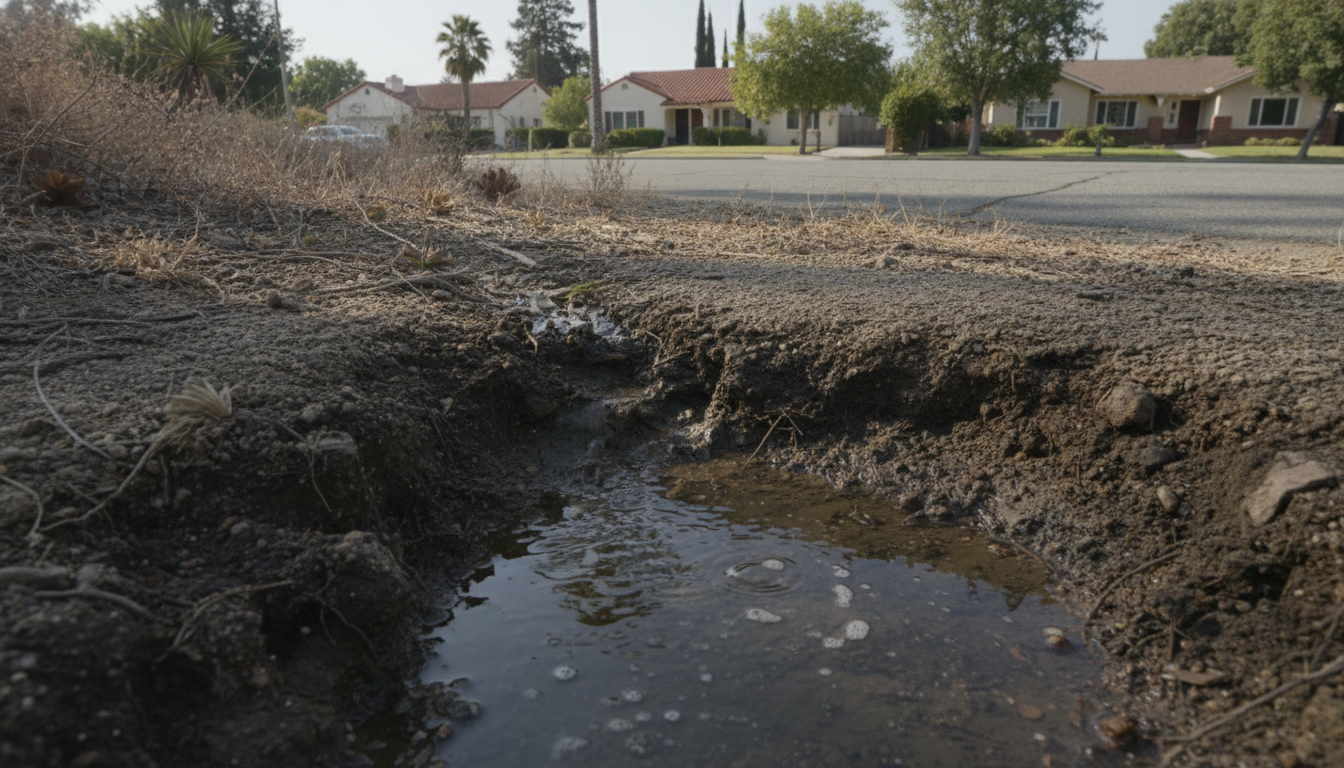
A concern about land can mean different things: uncertainty before a purchase, questions ahead of construction, or suspected contamination. Soil and groundwater testing examines selected samples to investigate a defined concern. The useful starting point is not simply “test everything,” but “what do I need to find out?”
For property owners, buyers, and people planning work on a site, that question helps shape the testing scope. Red Leaf Environmental - Asbestos And Lead Testing offers Soil & Groundwater Testing. Contact the business to discuss your property, your concerns, and the decision you need the testing to support.
Soil and groundwater answer different questions
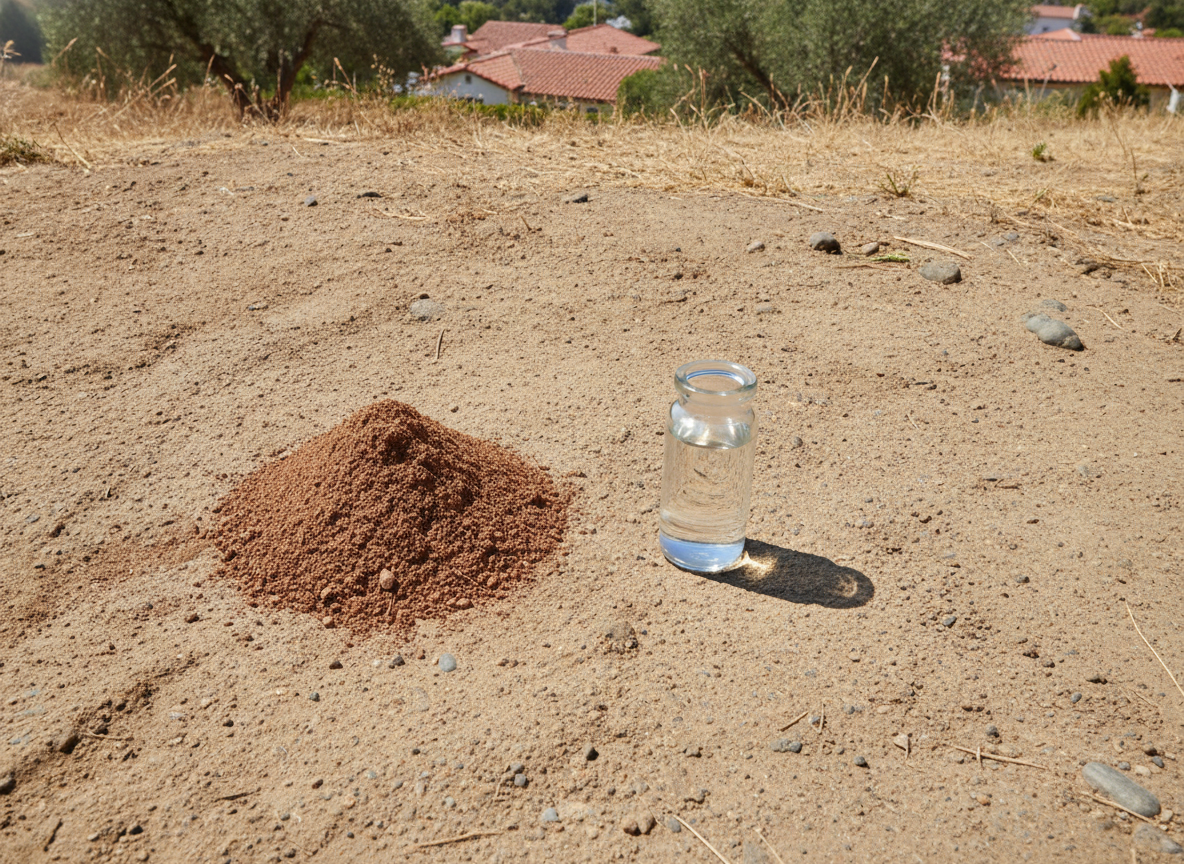
Soil testing concerns material collected from the ground. Groundwater testing concerns water beneath the surface. These are related parts of a site, but they are not interchangeable: a finding in soil does not automatically establish the condition of groundwater, or the reverse.
The appropriate focus depends on the concern being investigated. Testing one material may answer a narrow question, while a broader investigation may require consideration of both. Describing what prompted your inquiry helps make that distinction before a scope is selected.
The testing scope determines what results can tell you
Environmental testing is not a single check for every possible substance. The substances selected for analysis, the sampling locations, and the depths represented all affect the questions the results can answer. A test chosen for one concern may not resolve a different one.
This is why background matters. Known property history, the location of a suspected issue, and the intended use of the findings can help inform a testing discussion. If you already have previous reports or a written testing requirement, bring those into the conversation rather than assuming a new test will cover the same ground.
Results need context, not just a number
A testing result describes the sample analyzed for the substances included in that analysis. It should not be treated as a blanket conclusion about every part of a property or every possible environmental concern.
Interpreting a finding means considering where the sample came from, what was tested, and the purpose of the investigation. A result may answer the original question or indicate that further evaluation is worth discussing. Testing itself is an investigative step; it does not remove contamination or replace any separate action that may be needed.
Choose a provider for the work you actually need
Red Leaf Environmental - Asbestos And Lead Testing lists Soil & Groundwater Testing among its services and has a rating of 5 from 20 reviews. When considering the business for your project, begin with the specific issue you want investigated.
Before arranging work, ask about the proposed scope, what the results will cover, and whether that scope addresses your intended purpose. Those questions help you evaluate the service on the work being requested rather than assumptions about what “testing” includes.
Questions before arranging testing
Do I need soil testing, groundwater testing, or both?
That depends on the concern and the question you need answered. Describe the situation when you inquire so you can discuss which type of testing is relevant.
What should I prepare before contacting you?
Have the property location, a description of your concern, and any existing environmental reports or written requirements ready. Explain any decision or deadline connected to the testing.
How much will testing cost, and how long will it take?
Ask for pricing and timing for your proposed scope before arranging work. Make any deadline part of that discussion, rather than assuming every testing project has the same schedule.
Will testing confirm that the whole property is free of contamination?
Testing addresses the samples and substances included in its scope. It is not an unlimited assessment of every location, depth, or potential contaminant.
Discuss your soil and groundwater concerns
Contact Red Leaf Environmental - Asbestos And Lead Testing to discuss Soil & Groundwater Testing for your property. Share what prompted your concern and what you need to learn, then ask about the appropriate scope, pricing, and timing.

Areas we serve
- ● Los Angeles County
- ● Agoura Hills
- ● Alhambra
- ● Arcadia
- ● Artesia
- ● Avalon
- ● Azusa
- ● Baldwin Park
- ● Bell
- ● Bell Gardens
- ● Bellflower
- ● Beverly Hills
- ● Bradbury
- ● Burbank
- ● Calabasas
- ● Carson
- ● Cerritos
- ● Claremont
- ● Commerce
- ● Compton
- ● Covina
- ● Cudahy
- ● Culver City
- ● Diamond Bar
- ● Downey
- ● Duarte
- ● El Monte
- ● El Segundo
- ● Gardena
- ● Glendale
- ● Glendora
- ● Hawaiian Gardens
- ● Hawthorne
- ● Hermosa Beach
- ● Hidden Hills
- ● Huntington Park
- ● Industry
- ● Inglewood
- ● Irwindale
- ● La Cañada Flintridge
- ● La Habra Heights
- ● La Mirada
- ● La Puente
- ● La Verne
- ● Lakewood
- ● Lancaster
- ● Lawndale
- ● Lomita
- ● Long Beach
- ● Los Angeles
- ● Lynwood
- ● Malibu
- ● Manhattan Beach
- ● Maywood
- ● Monrovia
- ● Montebello
- ● Monterey Park
- ● Norwalk
- ● Palmdale
- ● Palos Verdes Estates